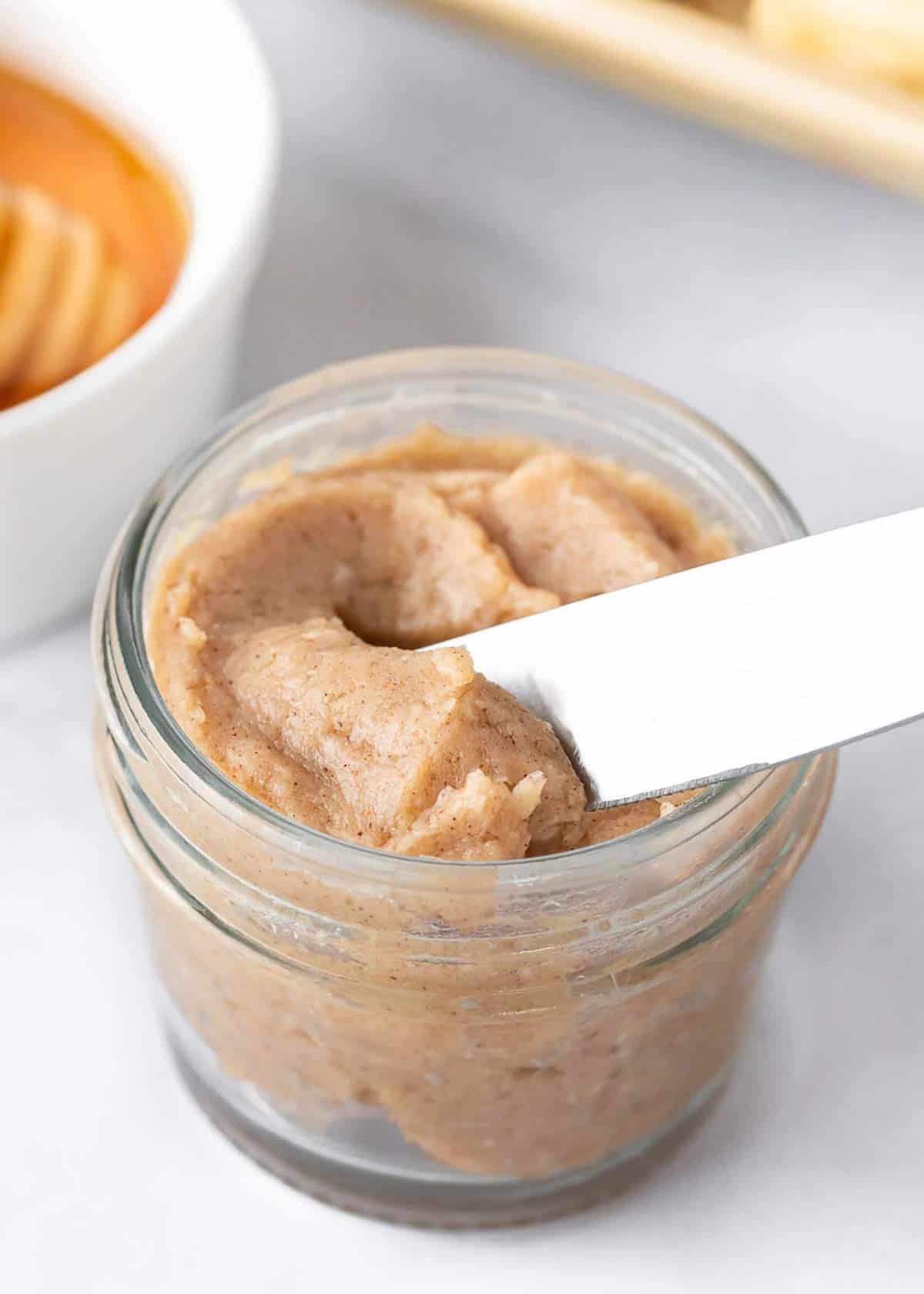
Elevate Your Cinnamon Butter: Crafting and Customizing a Culinary Delight
There’s something undeniably magical about homemade cinnamon butter. It transforms ordinary toast into a gourmet treat, elevates pancakes to an art form, and makes even the simplest dinner roll feel like a luxurious indulgence. While store-bought options exist, learning how to make cinnamon butter from scratch opens up a world of freshness, unparalleled flavor, and endless customization possibilities. This comprehensive guide will walk you through the process, from choosing the best ingredients to unleashing your inner culinary artist with unique flavor combinations.The Foundation: How to Make Cinnamon Butter from Scratch with Heavy Cream
Embarking on the journey to make your own butter is a surprisingly simple yet incredibly rewarding experience. Starting with heavy cream ensures a fresh, rich base that truly shines. This method not only yields delectable cinnamon butter but also gives you fresh buttermilk as a delightful bonus.Gather Your Essential Ingredients & Equipment:
- High-Quality Heavy Cream: Approximately 32 ounces (about 4 cups). The quality of your cream directly impacts the richness and texture of your butter. Look for brands with a higher fat content (at least 36%) and minimal additives. While specific brands like Hood are often praised for their excellent whipping properties, any premium heavy cream will yield fantastic results.
- Fine Sea Salt: ½ teaspoon, or to taste. Salt is crucial for balancing the sweetness and enhancing the overall flavor profile.
- Ground Cinnamon: 1 tablespoon, or to taste. Invest in a fresh, aromatic cinnamon for the best impact.
- Stand Mixer: With a whisk attachment. This is the easiest and most efficient tool for making butter. An electric hand mixer can also work but will require more time and effort.
- Large Bowl: For your mixer.
- Splash Guard or Kitchen Towel: Absolutely essential to prevent cream splatter during the whipping process. Trust us, it gets messy!
- Cheesecloth: For straining the buttermilk.
- Strainer: To hold the cheesecloth.
Step-by-Step Guide to Whipping Cream into Butter:
- Whip the Cream to Stiff Peaks: Pour the entire 32 ounces of cold heavy cream into the bowl of your stand mixer. Attach the whisk. This is where your splash guard or kitchen towel comes in – cover the mixer bowl thoroughly! Begin whisking on medium-high speed. The cream will thicken into soft peaks, then gradually stiff peaks. This stage typically takes 5-10 minutes, depending on your mixer and cream. Scrape down the sides of the bowl periodically to ensure even whipping. You'll know it's ready when the cream holds its shape firmly when you lift the whisk.
- Transition to Butter: Once stiff peaks are achieved, increase your mixer speed to high. Continue whipping. This is the magical part where the fat globules in the cream begin to separate from the liquid. The mixture will first look like curdled cream, then distinctly yellow clumps of butter will form, swimming in a milky liquid (buttermilk). This separation can happen quite suddenly, usually within another 3-7 minutes.
- Separate the Buttermilk: Once the butter and buttermilk have clearly separated, stop the mixer. Line a fine-mesh strainer with a few layers of cheesecloth and place it over another bowl (to catch the buttermilk). Carefully pour the contents of your mixer into the cheesecloth-lined strainer. Gather the edges of the cheesecloth, forming a pouch around the butter, and gently but firmly squeeze out as much buttermilk as possible. The more liquid you remove, the firmer and longer-lasting your butter will be.
- Flavor Your Fresh Butter: Return your fresh, unsalted butter to the clean bowl of your stand mixer (or a clean bowl if using a hand mixer). Add the ½ teaspoon of salt and 1 tablespoon of ground cinnamon. Begin mixing on low speed, gradually increasing to medium, for about 2-3 minutes until the salt and cinnamon are thoroughly incorporated and evenly distributed throughout the butter.
- Taste and Adjust: The final, and perhaps most important, step! Taste a small dollop of your homemade cinnamon butter. Does it need more salt to bring out the flavors? Do you crave a more intense cinnamon kick? Now is the time to add a little more of either ingredient, whipping briefly to combine after each addition. Remember, this is *your* butter – make it perfect for *your* palate!
For a detailed visual guide and further insights into the cream-to-butter process, you might find our article Craft Easy Cinnamon Butter from Cream in 3 Simple Steps incredibly helpful.
Elevating Your Base: Choosing the Best Cream and Flavor Foundations
The secret to truly exceptional homemade cinnamon butter lies not just in the technique, but also in the quality of your core ingredients. Understanding their role can significantly impact your final product.The Importance of Quality Cream:
As mentioned, the type of heavy cream you use is paramount. Higher fat content (typically 36% or more) in heavy cream means a richer, creamier butter with a better yield. Cheaper, lower-fat creams might take longer to whip, produce less butter, and result in a less luxurious texture. Some brands specifically process their cream to whip exceptionally well, leading to a smoother, more stable butter.
Mastering Salt and Cinnamon:
- Salt: The Flavor Enhancer: Salt does more than just make your butter taste "salty." It acts as a powerful flavor enhancer, balancing the sweetness, cutting through richness, and bringing out the subtle notes of the cream and cinnamon. Starting with a half teaspoon is a good baseline, but always adjust to your preference. Consider using a fine sea salt for better dissolution and a cleaner taste.
- Cinnamon: The Heart of the Flavor: The quality of your ground cinnamon makes a significant difference. Freshly ground cinnamon or a high-quality variety will offer a much more vibrant and complex aroma and flavor than older, less potent spices. Don't be shy; if you love cinnamon, add more! You can also experiment with different types of cinnamon, such as Ceylon (sweeter, more delicate) or Cassia (stronger, spicier), to find your preferred profile.
A Quicker Alternative: The 5-Minute Texas Roadhouse Style
While making butter from scratch offers unparalleled freshness, sometimes you need a quick fix. If time is short, you can achieve a delightful cinnamon butter by starting with good quality, softened unsalted butter. Simply combine 1 cup of softened unsalted butter with 1/2 cup powdered sugar (for that smooth, melt-in-your-mouth texture) and 1-2 tablespoons of ground cinnamon in a food processor or with an electric mixer. Blend until light, fluffy, and well combined. This method is incredibly fast and produces a result reminiscent of the famous Texas Roadhouse cinnamon honey butter. For a deep dive into this speedy version, check out our guide on Texas Roadhouse Cinnamon Butter: 5-Minute Copycat Recipe.
Unleashing Creativity: Advanced Flavor Customization for Your Cinnamon Butter
Now that you know how to make cinnamon butter, it’s time to get creative! The base recipe is incredibly versatile, inviting you to experiment with a spectrum of flavors to suit any occasion or personal craving.Sweeteners Beyond the Basic:
- Honey or Maple Syrup: Swirl in 1-2 tablespoons of pure honey or maple syrup for a natural sweetness and added depth. Maple syrup pairs beautifully with the warm notes of cinnamon.
- Brown Sugar: A tablespoon or two of light or dark brown sugar adds a caramelized sweetness and a subtle molasses note that complements cinnamon wonderfully. Powdered sugar, as used in the quick method, also offers a smooth texture and pure sweetness.
- Agave Nectar: A neutral-flavored liquid sweetener that can be used similarly to honey.
Expanding Your Spice Rack:
- Nutmeg and Allspice: A pinch of freshly grated nutmeg or a touch of allspice can deepen the "warm spice" profile, especially during fall or winter.
- Cardamom: For an exotic, fragrant twist, add a quarter teaspoon of ground cardamom. It pairs surprisingly well with cinnamon and adds a sophisticated note.
- Ginger: A tiny dash of ground ginger can introduce a subtle zing.
- Pumpkin Pie Spice: For an instant autumnal flavor, substitute some of your cinnamon with a blend of pumpkin pie spice.
- Chili Powder (or Cayenne): For the adventurous, a *tiny* pinch of mild chili powder or cayenne pepper can add an unexpected, subtle warmth that tantalizes the taste buds without being overtly spicy.
Aromatic Extracts and Zests:
- Vanilla Extract: A teaspoon of good quality vanilla extract is almost always a welcome addition, enhancing sweetness and rounding out flavors.
- Almond Extract: For a delicate, nutty aroma, try a few drops of almond extract.
- Orange or Lemon Zest: Finely grated zest from an orange or lemon introduces a bright, fresh counterpoint to the warm spices. It's particularly delightful when serving with fruit-based dishes.
Texture and Other Delicious Mix-Ins:
- Chopped Nuts: Finely chopped pecans, walnuts, or even candied walnuts can add a delightful crunch and nutty flavor.
- Dried Fruit: Tiny bits of dried cranberries, apricots, or even finely diced candied ginger can create interesting bursts of flavor and texture.
- Citrus Candied Peel: For a more refined touch, incorporate very finely diced candied orange or lemon peel.
When experimenting, always start with a small amount of your chosen add-in, mix well, and taste. You can always add more, but you can’t take it away!
Serving Suggestions and Storage Tips for Your Homemade Cinnamon Butter
Once you’ve mastered how to make cinnamon butter and customized it to your liking, the next step is enjoying it! This versatile spread can elevate countless dishes.Delicious Serving Pairings:
- Breakfast & Brunch Classics: Slather it generously on pancakes, waffles, French toast, muffins, scones, biscuits, or bagels.
- Dinner Rolls & Breads: The quintessential pairing. Warm dinner rolls, crusty artisan bread, cornbread, banana bread, zucchini bread, or even sweet potato bread become extraordinary with a dollop of cinnamon butter.
- Vegetables: A surprising but delicious pairing! Melted cinnamon butter is incredible on roasted sweet potatoes, baked apples, or even steamed carrots.
- Desserts: Use it as a topping for apple pie, oatmeal, or a scoop of vanilla ice cream for a unique treat.
Storage and Shelf Life:
Your homemade cinnamon butter, thanks to its fresh cream origins, should be stored in an airtight container in the refrigerator. It will typically last for 1-2 weeks. For longer storage, you can freeze individual portions (e.g., in parchment-wrapped logs or small containers) for up to 3 months. Thaw in the refrigerator before use.
